Ordering liquid nitrogen should begin with three basic questions: how much is required, what will it be used for, and where will it be stored? Answering these questions before contacting a supplier can prevent mismatched containers, inefficient refill schedules, and avoidable handling difficulties.
Liquid nitrogen is used across a broad range of applications, including laboratory work, research, cryopreservation, veterinary programmes, healthcare-related processes, food applications, and selected industrial operations. The appropriate supply arrangement depends heavily on the application and consumption rate.
For a first order, buyers should identify their approximate quantity requirement. If the requirement is recurring, it is also useful to estimate weekly or monthly consumption. Remember that stored liquid nitrogen gradually evaporates even when it is not actively being used, so consumption estimates should account for both process usage and normal storage losses.
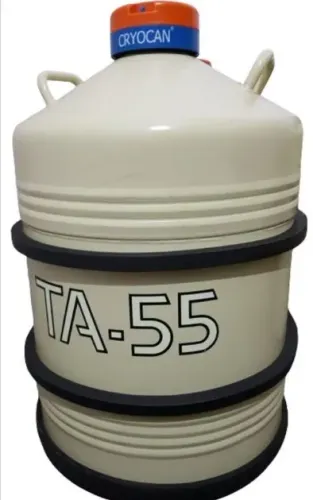
The next question is container suitability. Liquid nitrogen must be held in equipment specifically designed for cryogenic service. Conventional bottles, closed jars, and improvised containers are not appropriate substitutes.
Before placing an order, check:
- Required quantity
- Frequency of future requirements
- Type and capacity of the cryogenic vessel
- Application for which nitrogen will be used
- Storage location and ventilation
- Method of handling or withdrawal
- Availability of trained personnel
- Appropriate personal protective equipment
Buyers who already own a cryogenic container should know its capacity and condition. If nitrogen appears to evaporate unusually quickly, simply ordering larger quantities may not address the real issue. The vessel, handling pattern, or frequency of opening may need to be reviewed.
For organisations purchasing new equipment at the same time, it can be useful to plan container capacity and nitrogen supply together. A small vessel may require frequent refilling, while an unnecessarily large container can add cost and handling difficulty without providing meaningful operational value.
Local supply planning is especially relevant for Delhi businesses because consumption can vary from small laboratory requirements to recurring commercial and industrial demand. A provider familiar with cryogenic equipment can help clarify whether the requested quantity and proposed storage arrangement are compatible with the intended use.
Gemini Gases manufactures and supplies cryogenic solutions for customers with liquid nitrogen requirements in Delhi. Discussing the application, expected usage, and available storage equipment allows the requirement to be evaluated more accurately than ordering solely by quantity.
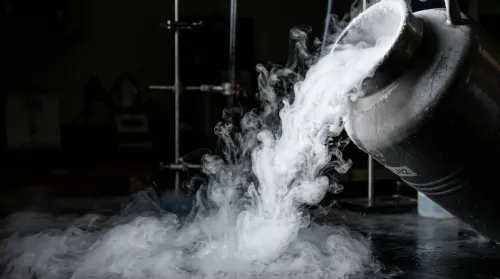
Liquid nitrogen should always be handled with respect for its extreme temperature and rapid expansion into gas. Suitable ventilation, appropriate cryogenic protective equipment, and purpose-designed storage vessels are fundamental.
For a new or recurring requirement, preparation makes purchasing simpler. Knowing the application, quantity, container capacity, consumption pattern, and refill expectations gives both the customer and supplier the information needed to establish a practical liquid nitrogen arrangement.