
Artificial insemination programmes rely heavily on dependable cryogenic storage. One of the most common questions buyers ask is whether they need a dedicated AI container or a standard cryogenic container. While both use liquid nitrogen to maintain extremely low temperatures, their design and intended applications are not always the same.
With Delhi becoming an important centre for veterinary services, livestock development, research institutions, and healthcare facilities, selecting suitable cryogenic equipment has become increasingly important.
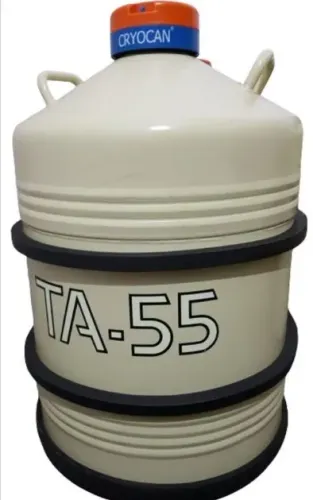
An AI container is specifically developed for storing and transporting semen straws used in artificial insemination programmes. These containers are commonly found in dairy farms, veterinary hospitals, breeding centres, and animal genetics facilities.
A standard cryogenic container, however, has broader applications that include:
- Laboratory storage
- Industrial cooling
- Medical research
- Pharmaceutical applications
- Biological sample preservation
- Scientific experimentation
Although both products rely on vacuum insulation and liquid nitrogen, the internal configuration often differs.
AI containers usually include specially designed canisters or goblets that allow organized storage of semen straws. This arrangement helps technicians retrieve samples quickly while minimizing unnecessary exposure to warmer temperatures.
Standard cryogenic containers may prioritize larger storage capacity rather than sample organization.
Several factors influence the right choice.
Storage purpose is perhaps the most important. If the primary objective is artificial insemination, an AI container generally offers better organization and handling convenience.
Storage duration should also be considered. Premium models feature excellent insulation that slows evaporation, helping maintain low temperatures for longer periods and reducing refill frequency.
Portability matters as well. Veterinary professionals who frequently travel between farms often prefer lightweight AI containers that are easier to transport without compromising storage performance.
When comparing products, buyers should review:
- Holding time
- Static evaporation rate
- Capacity
- Empty weight
- Filled weight
- Number of storage canisters
- Build quality
These specifications provide a better understanding of long-term operating costs.
Maintenance requirements remain relatively simple. Containers should always be stored upright, cleaned externally, inspected regularly, and protected from physical damage during transport.
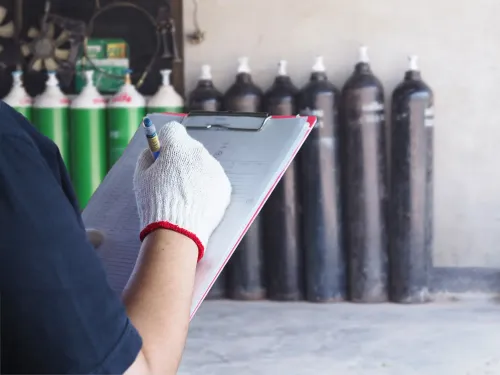
Personnel should also follow proper liquid nitrogen handling procedures by wearing suitable protective equipment and working in well-ventilated areas.
Organizations across Delhi increasingly prefer manufacturers that offer technical guidance during product selection instead of focusing solely on capacity or pricing.
Gemini Gases provides AI containers and cryogenic storage solutions suitable for veterinary services, breeding programmes, research laboratories, and healthcare applications requiring dependable low-temperature preservation.
Choosing between an AI container and a standard cryogenic container depends entirely on how the equipment will be used. Understanding storage requirements, transportation needs, and sample organization helps ensure a practical investment that supports reliable performance for years to come.