
Liquid nitrogen storage plays a vital role in healthcare, biotechnology, pharmaceuticals, veterinary science, research, and industrial manufacturing. Even with advanced storage equipment, simple mistakes can lead to unnecessary evaporation, equipment damage, safety risks, and loss of valuable materials.
Businesses and laboratories across Delhi increasingly depend on cryogenic storage systems, making proper handling practices more important than ever.
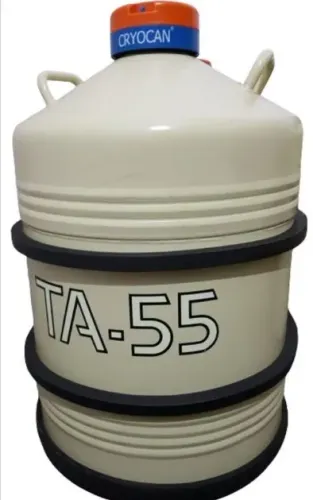
One of the most common mistakes is selecting the wrong storage container. Using equipment that is too small, poorly insulated, or unsuitable for the intended application often increases liquid nitrogen consumption and reduces storage efficiency.
Always choose storage equipment based on:
- Required capacity
- Storage duration
- Sample quantity
- Transportation needs
- Daily usage
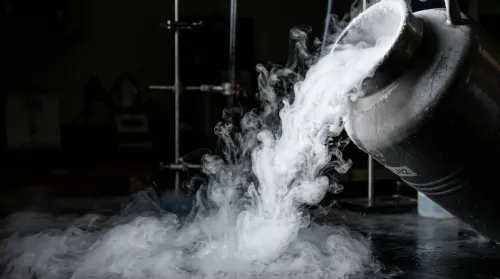
Another frequent mistake is storing containers in poorly ventilated areas. As liquid nitrogen naturally evaporates, nitrogen gas replaces oxygen in enclosed spaces. Without adequate ventilation, this can create unsafe working conditions.
Storage areas should always have sufficient airflow and enough space for safe handling.
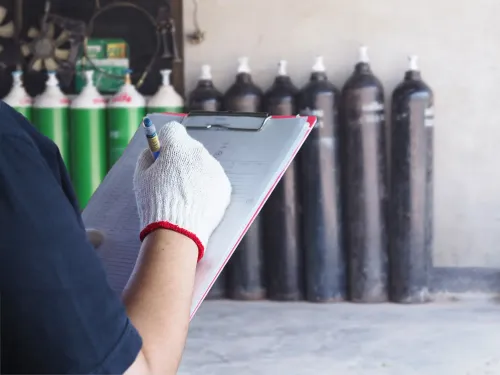
Many users also overlook regular equipment inspections. Small problems such as damaged lids, worn neck tubes, or insulation failure may go unnoticed until evaporation rates increase significantly.
Routine inspections should include:
- Exterior condition
- Lid security
- Neck tube integrity
- Frost accumulation
- Evaporation performance
Keeping inspection records helps identify changes over time.
Improper handling during transportation is another avoidable issue. Containers should always remain upright and be secured properly to prevent impact damage.
Dragging, rolling, or dropping cryogenic containers can reduce insulation performance and shorten equipment life.
Some facilities also make the mistake of opening containers more often than necessary. Every time a lid is removed, warm air enters the vessel, increasing evaporation and affecting internal temperature stability.
Planning sample retrieval in advance reduces unnecessary exposure.
Using inadequate protective equipment is another serious concern. Personnel working with liquid nitrogen should always wear:
- Cryogenic gloves
- Safety goggles
- Face shields
- Closed footwear
- Protective clothing
Proper training ensures employees understand safe filling and handling procedures.
Another overlooked area is inventory management. Clearly labelling stored materials and maintaining accurate records prevents unnecessary searching, reducing the amount of time containers remain open.
Businesses in Delhi increasingly recognise that efficient liquid nitrogen storage depends not only on quality equipment but also on disciplined operating procedures.
Gemini Gases provides cryogenic storage solutions for laboratories, hospitals, industrial facilities, and research organisations requiring dependable liquid nitrogen storage equipment designed for long-term performance.
Avoiding these common mistakes improves workplace safety, reduces operating costs, extends equipment life, and protects valuable biological or industrial materials. A combination of quality storage equipment, regular maintenance, and proper handling practices creates a reliable cryogenic storage system that performs consistently over many years.