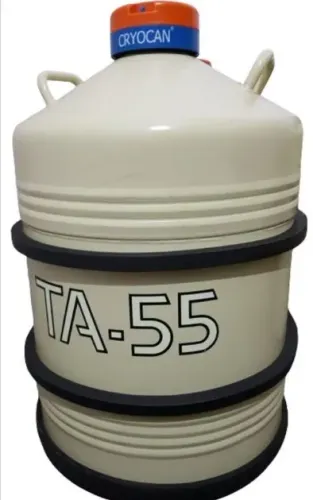

A Liquid Nitrogen Bottle must do far more than simply hold LN2. Because liquid nitrogen is cryogenic, the vessel needs specialized construction, insulation, and handling characteristics. Choosing equipment without evaluating these factors can result in frequent refilling, inconvenient operation, or a poor fit for the intended application.
Several mistakes are particularly easy to avoid.
Choosing Only by Capacity
Buyers sometimes assume that a larger container automatically provides better value.
In practice, capacity needs to match consumption and storage requirements. An oversized vessel may be heavier and less convenient, while an undersized model can require frequent replenishment.
Calculate expected usage before choosing the size.
Ignoring Evaporation Characteristics
Liquid nitrogen continually absorbs heat and evaporates. A cryogenic vessel is designed to minimize this process, but it cannot eliminate it.
Comparing capacity without considering evaporation rate and holding time provides an incomplete picture.
For applications requiring longer storage periods, these specifications become especially important.
Overlooking Neck Size
The opening affects both accessibility and thermal performance.
Users who regularly access samples or transfer materials may prefer easier access, while long-term storage applications may benefit from configurations designed to minimize heat entry.
The intended workflow should determine the preferred neck design.
Treating Every Application the Same
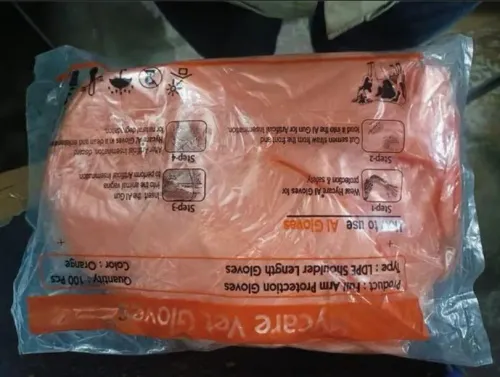
Laboratory LN2 storage, biological sample preservation, artificial insemination, and industrial use can require different container configurations.
Before purchasing, identify:
- What will be stored
- Required storage duration
- Frequency of access
- Refill availability
- Need for transportation
- Internal storage accessories
This prevents a generic specification from being applied to a specialized requirement.
Ignoring Local Operating Conditions
Organizations in Delhi should consider installation space, ventilation, transportation, refill planning, and frequency of use.
Gemini Gases manufactures liquid nitrogen storage equipment for different cryogenic requirements. Providing the manufacturer with clear operating information can make equipment selection more precise.
Neglecting Handling Practices
Even appropriate equipment can perform poorly when handled incorrectly.
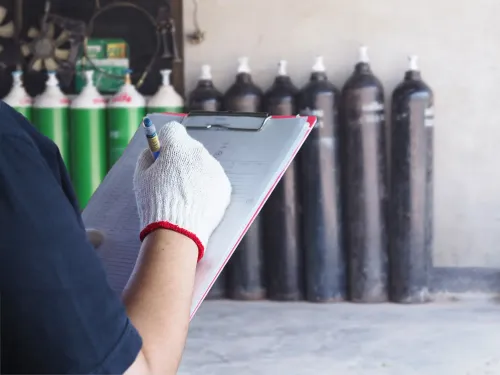
Cryogenic vessels should remain upright, be protected from rough movement, and be used in adequately ventilated areas. Users should follow suitable personal protective and cryogenic handling procedures.
Selecting a Liquid Nitrogen Bottle becomes much easier when buyers avoid capacity-only comparisons. Application, evaporation characteristics, access, portability, and everyday operating conditions should all influence the final choice.