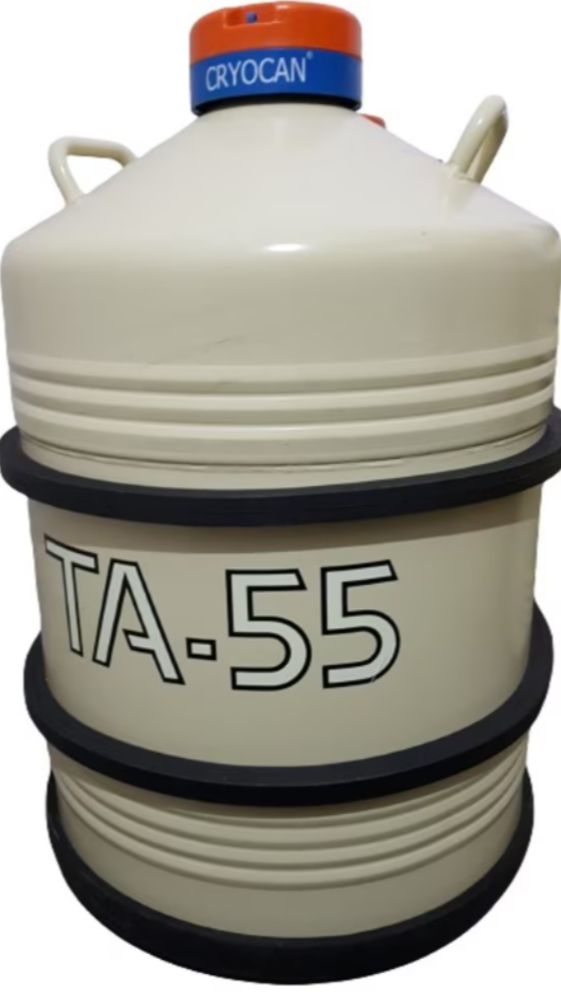
Many buyers searching for cryogenic storage equipment come across two common terms Cryocan and cryogenic container. While they are often used interchangeably, understanding their differences can make selecting the right storage solution much easier.
Businesses in Delhi working in healthcare, research, pharmaceuticals, agriculture, and industrial manufacturing frequently require dependable cryogenic storage. Choosing the appropriate equipment depends on the intended application, storage duration, and transportation needs.
A cryogenic container is a broad category that includes insulated vessels designed to store extremely cold liquids such as liquid nitrogen. These containers are manufactured using vacuum insulation technology to maintain low temperatures for extended periods.
Cryocan, on the other hand, generally refers to a specialized liquid nitrogen container that is commonly used for preserving biological samples, reproductive materials, laboratory specimens, and similar applications.
Although both products operate on similar principles, their design and intended usage may differ.
Cryogenic containers are commonly used for:
- Industrial liquid storage
- Scientific research
- Pharmaceutical manufacturing
- Food processing
- Chemical industries
- Laboratory operations
Cryocans are widely preferred for:
- IVF centres
- Semen preservation
- Veterinary breeding programmes
- Artificial insemination
- Tissue sample storage
- Medical laboratories
The biggest difference lies in their intended application. Cryocans are usually designed with storage canisters or racks that make organizing biological materials easier. General cryogenic containers may prioritize liquid storage or transportation rather than specimen organization.
Another point to consider is holding time. Some models are engineered to reduce evaporation for longer storage periods, while others are designed for regular usage with frequent refilling.
Before making a purchase, buyers should evaluate several factors:
- Required storage capacity
- Sample quantity
- Transportation frequency
- Expected holding time
- Filling schedule
- Available workspace
Considering these factors helps prevent unnecessary operational expenses.
Material quality also affects performance. High-grade aluminum alloys are commonly used because they combine strength with lightweight handling. Premium insulation technology further improves thermal efficiency and reduces nitrogen loss.
Accessories may vary depending on the application. Some containers include:
- Lockable lids
- Protective covers
- Storage canisters
- Carrying handles
- Transport trolleys
- Identification systems
Selecting the right accessories improves both convenience and sample management.
Businesses in Delhi often prioritize equipment that offers durability and consistent performance, especially where valuable biological samples are involved. Reliable insulation not only preserves materials but also reduces operating costs by lowering evaporation rates.
Maintenance remains relatively straightforward when handled correctly. Users should avoid physical impacts, maintain upright positioning, inspect lids and neck tubes regularly, and clean the exterior according to manufacturer recommendations.
Gemini Gases supplies cryogenic storage solutions that support laboratories, hospitals, research organizations, veterinary facilities, and industrial users with products designed for dependable long-term performance.
Understanding whether your application requires a specialized Cryocan or a broader cryogenic container allows you to invest in equipment that delivers reliable storage, greater efficiency, and better protection for valuable materials.