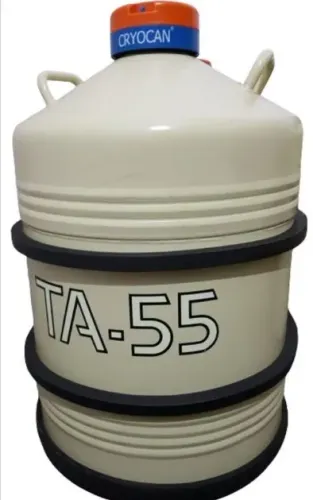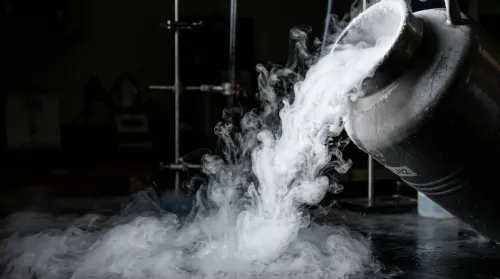
Reliable liquid nitrogen storage starts with understanding consumption, application, and safety rather than simply placing a cryogenic vessel in a convenient corner. Laboratories, research facilities, healthcare organisations, veterinary centres, and industrial users all need storage arrangements suited to the volume of nitrogen they use and the way it is accessed.
The first task is estimating consumption. Consider routine use, refill frequency, natural evaporation, and periods of unusually high demand. If the facility stores valuable biological samples, the planning process should also consider how nitrogen levels will be monitored and what procedures apply if consumption changes unexpectedly.
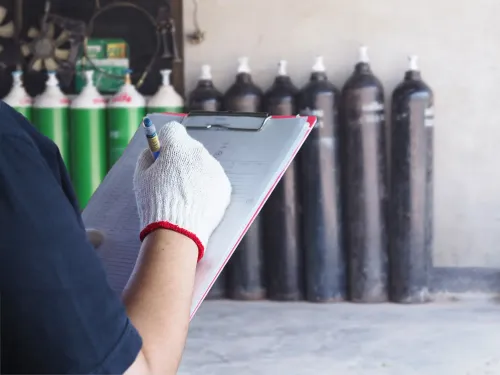
Storage location matters because liquid nitrogen continuously evaporates. The resulting nitrogen gas can reduce oxygen concentration in enclosed spaces. Ventilation should therefore be considered when deciding where vessels will be placed, particularly in rooms containing multiple containers.
A practical storage plan should address:
- Container capacity
- Select capacity according to actual consumption and refill availability.
- Ventilation
- Evaluate the room and facility requirements for safe cryogenic use.
- Access control
- Limit handling to personnel familiar with the equipment and relevant procedures.
- Level monitoring
- Establish routine checks rather than waiting until nitrogen is nearly exhausted.
- Physical protection
- Position vessels where they are less likely to be knocked, tipped, or damaged.
- Personal protective equipment
- Suitable cryogenic gloves and face or eye protection should be available for relevant operations.
- Sample organisation
- Where biological material is stored, maintain an accurate inventory and retrieval system.
Delhi facilities should also account for operational realities such as available floor space, building ventilation, nitrogen delivery or refill arrangements, and how far containers need to be moved internally. A technically suitable vessel can become inconvenient if its location requires difficult movement whenever it needs servicing or refilling.
Another useful practice is tracking nitrogen consumption over time. If the same vessel suddenly requires much more frequent refilling without a corresponding increase in usage, the change should be investigated. Increased opening frequency, altered operating conditions, or vessel performance issues may be responsible.
Gemini Gases works with customers in Delhi requiring cryogenic storage equipment and liquid nitrogen solutions. For a new facility, discussing expected consumption and application requirements before equipment selection can help determine a practical combination of capacity and storage configuration.
Liquid nitrogen storage should ultimately be treated as a system rather than a single product purchase. Suitable equipment, ventilation, monitoring, trained handling, refill planning, and clear operating procedures work together to support dependable cryogenic operations.