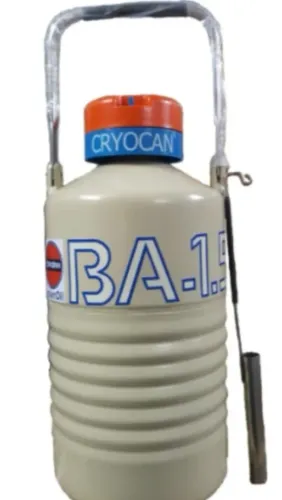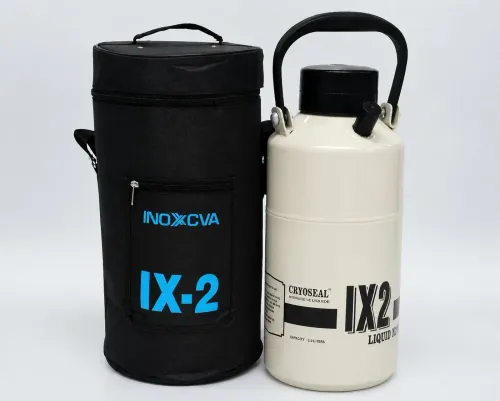
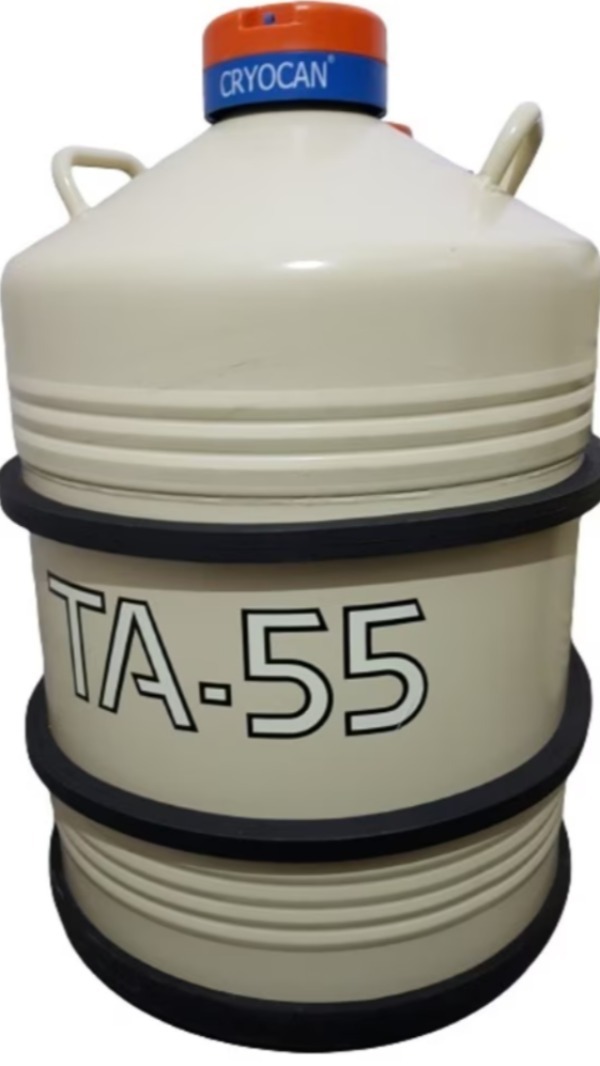
When comparing a cryogenic container, buyers often begin with capacity. Capacity matters, but it is only one part of selecting a vessel that performs effectively in everyday use. Holding time, neck design, internal storage arrangement, handling frequency, and the intended material can have an equally important effect on suitability.
Cryogenic containers are engineered for substances or materials maintained at extremely low temperatures. For liquid nitrogen applications, vacuum insulation reduces heat transfer between the environment and the inner vessel. This helps control evaporation and maintain cryogenic conditions.
A useful evaluation begins by distinguishing between static storage and active use. Static performance is generally measured under controlled conditions with limited disturbance. In real workplaces, containers may be opened repeatedly, moved between rooms, accessed for sample retrieval, or refilled regularly.
When comparing options, examine:
Nominal capacity: This indicates how much liquid nitrogen the vessel is designed to accommodate.
Static holding time: This provides a reference for how long nitrogen may remain under specified conditions before evaporation substantially reduces the contents.
Evaporation rate: Lower heat ingress can help reduce unnecessary nitrogen losses.
Neck diameter: The opening affects both access and thermal performance.
Internal configuration: Canisters, racks, or sample-storage arrangements need to match the material being stored.
Empty and operating weight: This becomes particularly relevant where containers need to be moved.
A laboratory in Delhi storing samples may prioritize organized retrieval and identification. A veterinary user may require a configuration suited to semen straws. An industrial operation using nitrogen regularly may focus more heavily on storage capacity and operational accessibility.
The lowest-priced vessel is not necessarily the lowest-cost choice over its useful life. If a container loses nitrogen more rapidly than expected for the application, frequent refilling can increase operating costs and create workflow interruptions. Conversely, paying for excessive capacity may offer little benefit when nitrogen turnover is already high.
Condition and handling also affect performance. Damage to the neck, vacuum integrity, or vessel body can compromise insulation. Containers should therefore be treated as specialized cryogenic equipment rather than conventional metal storage vessels.
Delhi buyers should also consider access to product information and application guidance before finalizing a model. Gemini Gases provides cryogenic solutions for customers with different storage requirements, allowing selection to be approached around practical operating conditions rather than capacity alone.
A well-matched cryogenic container should balance storage volume, thermal performance, accessibility, handling, and application-specific requirements. Looking at these factors together helps prevent a technically adequate container from becoming inconvenient or inefficient once it enters daily use.