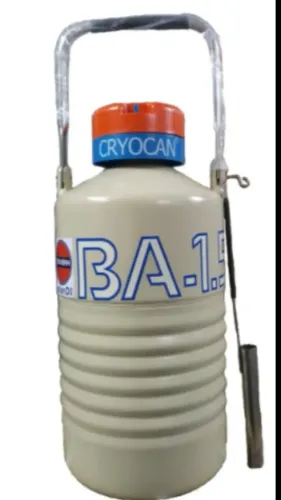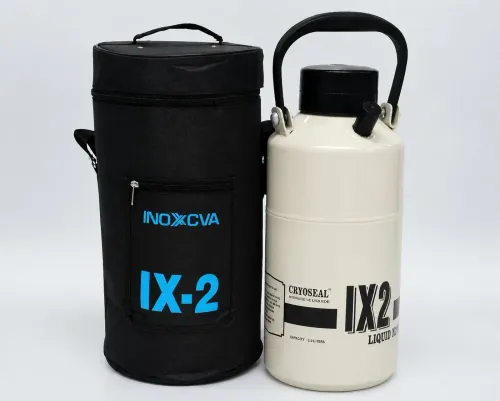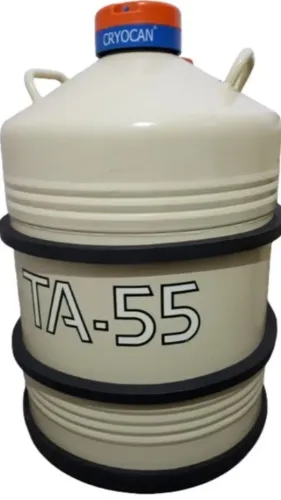
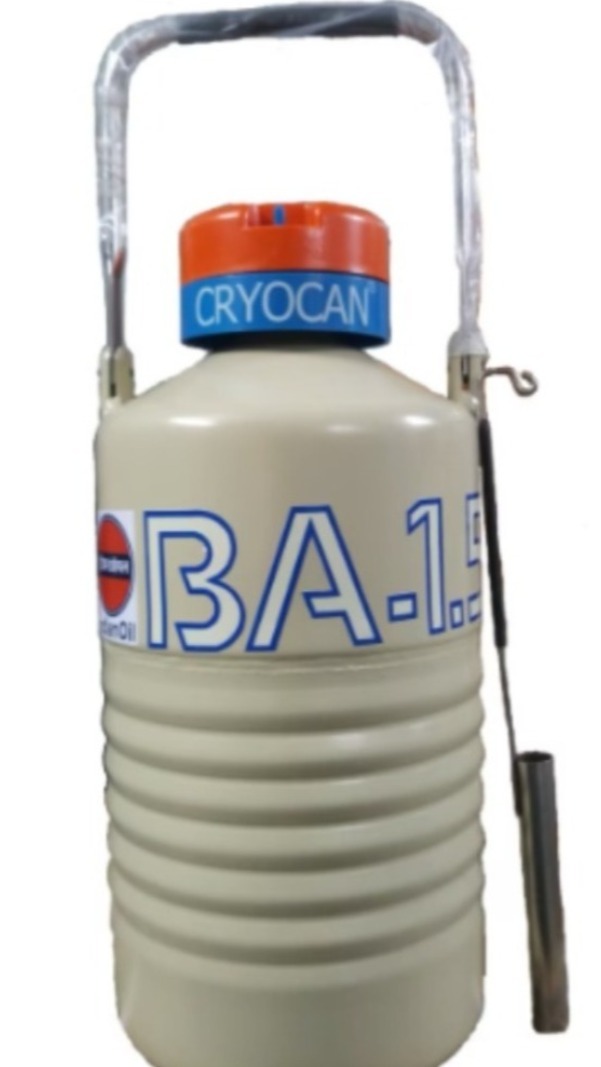
A liquid nitrogen dewar is not simply an oversized flask. It is a purpose-designed cryogenic vessel that uses insulation, commonly a vacuum between its walls, to reduce heat transfer and slow the evaporation of liquid nitrogen. For buyers in laboratories, healthcare, research, and industry, understanding the application is the first step toward choosing the right dewar.
Start with the required capacity. A laboratory that uses small amounts of nitrogen for occasional procedures may not need the same vessel as an industrial operation with regular cryogenic consumption. Selecting capacity based only on the largest available option can make handling unnecessarily difficult.
Next, consider how the nitrogen will be accessed. Some applications involve relatively infrequent storage, while others require repeated withdrawal. Opening design and operating procedures can influence evaporation, convenience, and safety.
Buyers should evaluate:
- Liquid capacity
- Expected evaporation performance
- Static holding characteristics
- Neck dimensions
- Vessel construction
- Overall dimensions
- Empty and filled weight
- Compatibility with withdrawal or handling requirements
- Intended stationary or mobile use
The term “dewar” can cover vessels serving different purposes, so buyers should avoid assuming that every liquid nitrogen dewar is interchangeable. A vessel intended primarily for liquid storage may differ from a unit configured around biological sample storage.
Operating cost also deserves attention. Liquid nitrogen naturally boils away as environmental heat reaches the contents. Efficient insulation helps reduce this loss. If nitrogen is expensive or inconvenient to replenish at a particular facility, evaporation performance can influence the total cost of ownership.
Delhi presents another practical consideration: organisations may operate in laboratories, hospitals, universities, workshops, production facilities, and research centres with very different storage environments. Before purchasing, the user should identify where the vessel will stand, how it will be refilled, who will operate it, and whether adequate ventilation is available.
Safety cannot be separated from purchasing decisions. Liquid nitrogen can cause cryogenic burns, and the gas produced during evaporation can displace oxygen. Dewars must never be treated like tightly sealed conventional pressure-free bottles unless their design specifically provides the necessary pressure management. Users should follow the manufacturer's operating instructions and facility safety procedures.
Gemini Gases works with organisations seeking liquid nitrogen storage equipment in Delhi. Buyers can make a more useful comparison by describing their daily consumption, required capacity, access pattern, application, and handling environment rather than asking only for a particular litre size.
A suitable dewar is one that fits the complete workflow. Capacity may attract attention first, but thermal performance, safe access, durability, handling, and application compatibility determine how well the vessel performs after purchase.