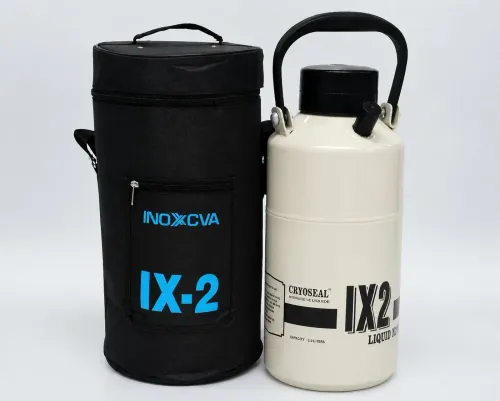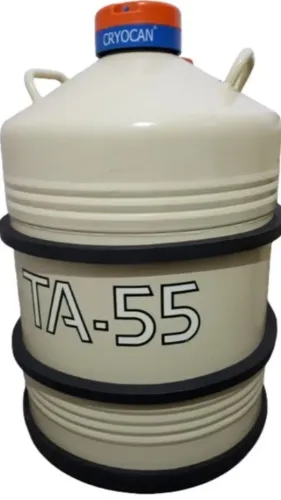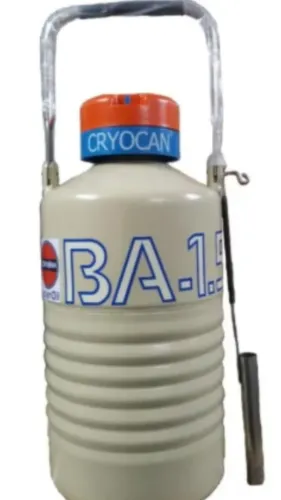
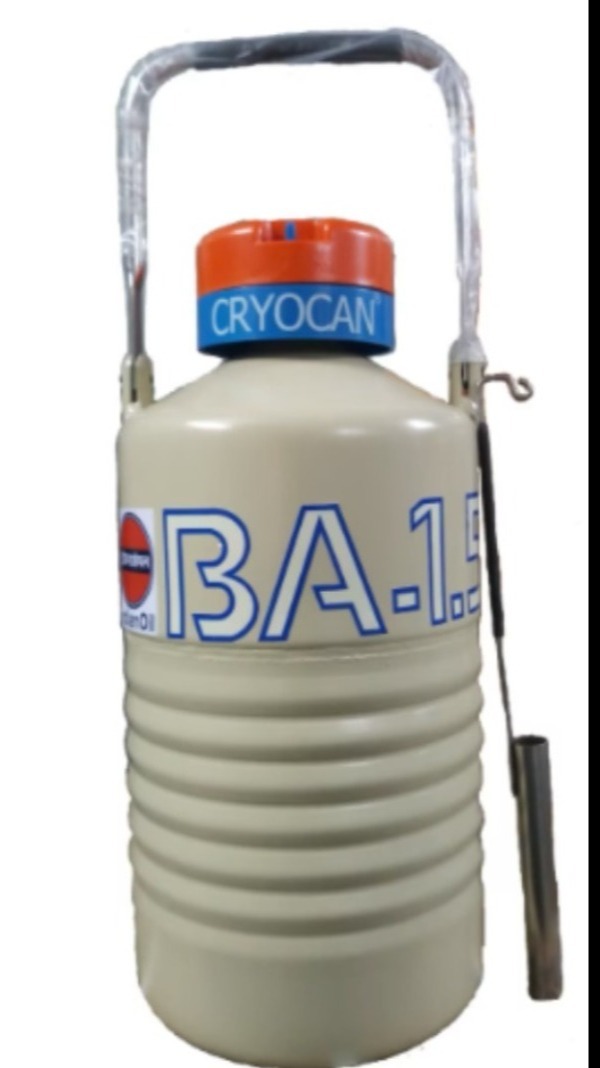
An AI container, in the context of artificial insemination, is used to support cryogenic storage of semen intended for breeding programmes. Buyers evaluating these containers should look beyond exterior size and focus on how the vessel will perform within the actual storage, transport, and sample-retrieval routine.
The first consideration is capacity. A larger vessel may hold more liquid nitrogen and potentially support longer intervals between refills, but size must be matched to usage. Field technicians who regularly transport equipment may value manageable dimensions and weight, while stationary centres handling larger inventories may prioritize storage capacity.
Internal sample organisation deserves close attention. Semen straws need to be identified and retrieved efficiently. A suitable canister arrangement can reduce searching time and limit the period during which stored material is exposed to warmer conditions near the vessel opening.
When evaluating an AI container, consider these questions:
- How many samples need to be stored?
- How often will the container be accessed?
- Will it remain stationary or travel regularly?
- How frequently is liquid nitrogen available for refilling?
- What type of internal canister arrangement is required?
- What holding-time performance suits the operating routine?
- Is the vessel practical for the people who will handle it?
A container with impressive static specifications can still be poorly matched to a working environment. Frequent movement and opening may increase nitrogen evaporation compared with controlled static conditions. Buyers should therefore treat published holding performance as a reference rather than assuming identical results under every operating condition.
Physical condition should also be monitored throughout the equipment's service life. Cryogenic vessels rely heavily on vacuum insulation. Rough handling, impact, neck damage, or loss of vacuum integrity can affect performance. An unexplained increase in nitrogen consumption is something users should investigate rather than simply compensating with more frequent refilling.
For artificial insemination professionals operating across Delhi and nearby areas, portability can become particularly important. Equipment used at a fixed breeding centre faces different demands from a container routinely transported to farms or veterinary locations.
Safety remains essential in both environments. Liquid nitrogen can cause serious cold injury, and evaporated nitrogen can reduce oxygen concentration in poorly ventilated spaces. Appropriate personal protective equipment, ventilation, and handling procedures should therefore be part of routine operations.
Gemini Gases supports customers in Delhi looking for cryogenic equipment for artificial insemination and related applications. Selecting an AI container around real working conditions helps buyers balance storage capacity, portability, nitrogen efficiency, and sample accessibility rather than choosing equipment from a specification sheet alone.