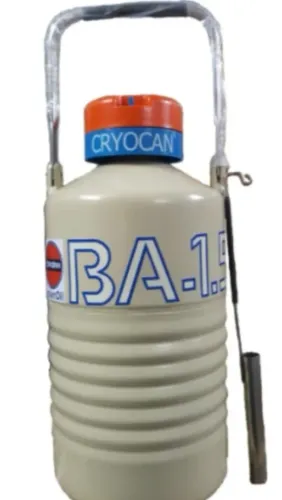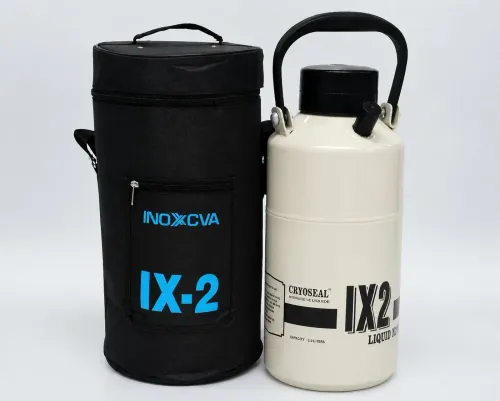
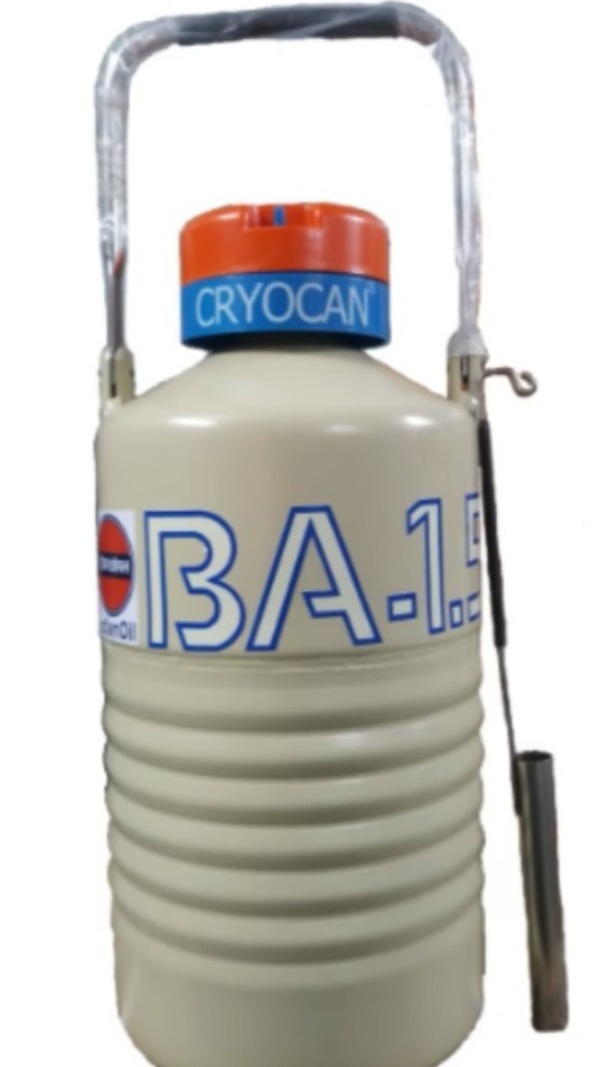
The phrase liquid nitrogen bottle is commonly used when people search for a portable or compact vessel for liquid nitrogen. However, liquid nitrogen cannot be handled like water, chemicals, or ordinary compressed products in a conventional bottle. Buyers need equipment specifically designed for cryogenic temperatures and the physical behaviour of liquid nitrogen.
At atmospheric pressure, liquid nitrogen exists at approximately −196°C. A normal bottle material, closure, or seal may not be designed for this temperature. More importantly, liquid nitrogen continuously evaporates and expands into gas as it absorbs heat.
This is why a purpose-designed cryogenic vessel generally uses insulated construction and an appropriate venting arrangement. A tightly sealed ordinary container can become extremely dangerous if vaporising nitrogen has no safe means of escaping.
When buyers search for a liquid nitrogen bottle, they should first clarify what they actually need:
For storage: Focus on capacity, holding performance, evaporation rate, and vessel design.
For biological samples: Consider internal canisters, sample organisation, access frequency, and cryogenic storage protocols.
For frequent nitrogen use: Evaluate accessibility and how nitrogen will be withdrawn for the application.
For transportation: Confirm that the selected equipment and transport method are appropriate for the intended movement and applicable safety requirements.
This distinction can prevent one of the most common purchasing mistakes: selecting equipment because its shape or nominal volume appears convenient without confirming whether it is engineered for liquid nitrogen.
Users should also compare operating requirements. A compact vessel may be easier to handle, but smaller nitrogen inventory can mean more frequent monitoring or refilling. A larger vessel may provide additional capacity but can become heavier and less convenient when filled.
For laboratories, educational institutions, medical facilities, veterinary operations, and industrial customers in Delhi, the right choice depends heavily on the working environment. Space constraints, refill frequency, consumption rate, and the availability of trained personnel can all affect the decision.
Gemini Gases provides cryogenic storage solutions for Delhi customers with varied low-temperature requirements. A useful supplier discussion should begin with the application rather than simply requesting a “bottle.” Explaining what will be stored, how much nitrogen is required, whether the unit will move, and how frequently it will be accessed makes specification much clearer.
The key principle is straightforward: use a vessel specifically intended for cryogenic service. Liquid nitrogen presents temperature, evaporation, expansion, and ventilation considerations that conventional containers are not designed to manage.