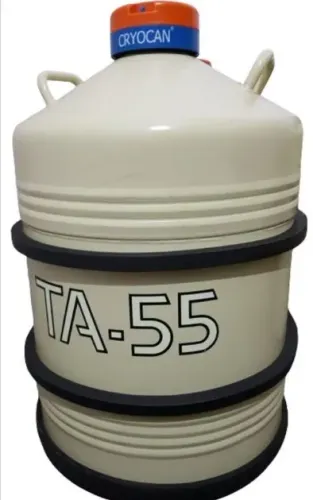
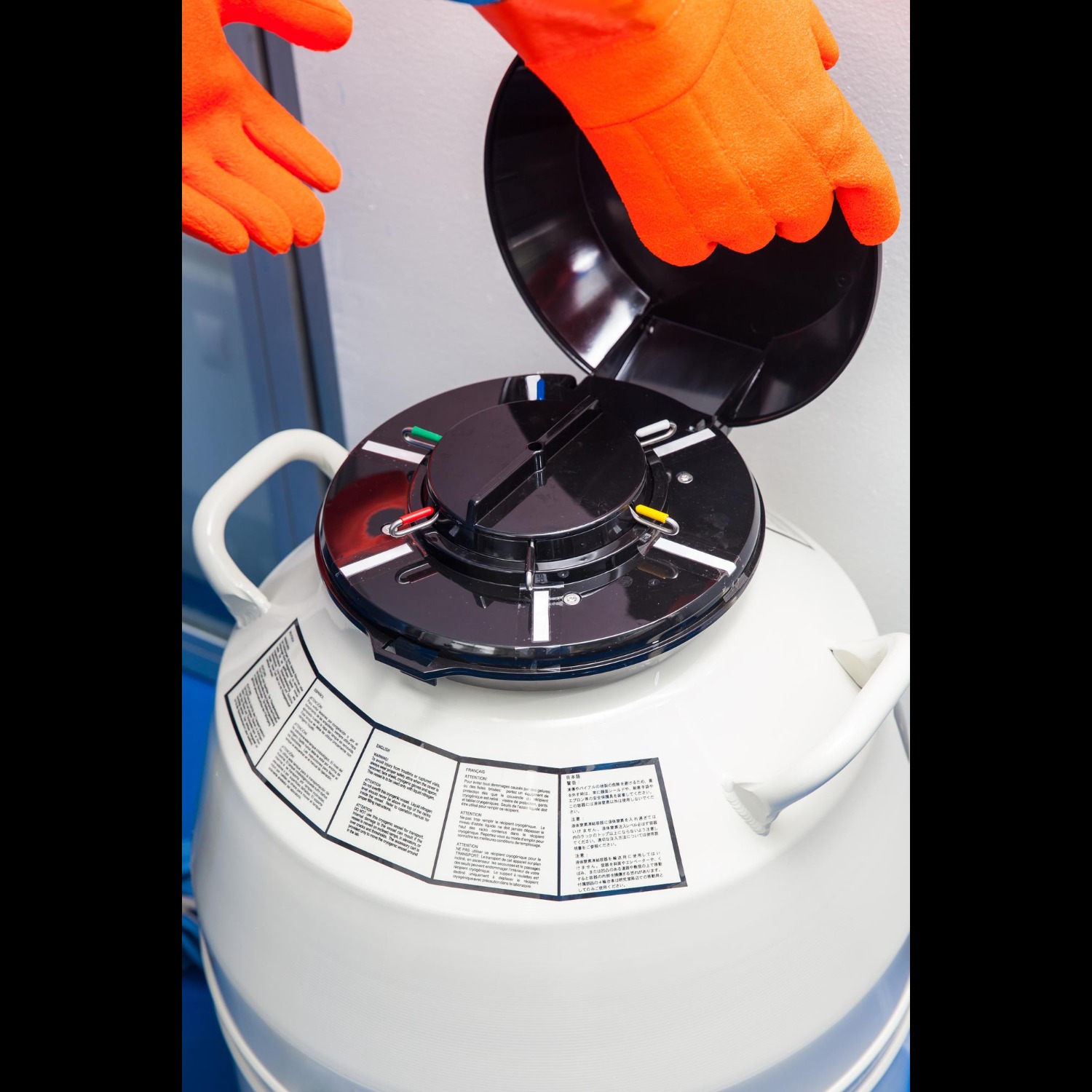
A liquid nitrogen Cryocan used for sample storage must do more than hold a certain volume of nitrogen. It forms part of a temperature-management system in which insulation performance, sample organisation, access practices, and nitrogen monitoring all influence day-to-day reliability.
For laboratories and biological storage applications, one of the most important features is the internal arrangement. Samples may need to be organised in canisters or other compatible holders so users can locate material without unnecessary delay. Good organisation can reduce retrieval time and limit warming around the vessel opening.
Capacity is another important factor, but two capacities should be considered separately: how much liquid nitrogen the vessel holds and how much sample storage space the internal arrangement provides. A container with greater nitrogen capacity does not automatically provide the most suitable sample capacity for every application.
Thermal performance should also be evaluated. Vacuum insulation reduces heat ingress, but some evaporation is unavoidable. Manufacturers may specify static evaporation rates or holding times to help users compare models.
In active use, performance is influenced by:
- Frequency of opening
- Duration of each retrieval
- Ambient conditions
- Frequency of movement
- Liquid nitrogen level
- Condition of the vessel
- User handling practices
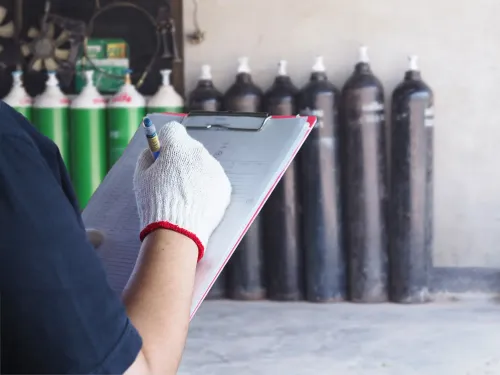
This makes nitrogen-level monitoring essential. Facilities should establish a checking schedule appropriate to the value and sensitivity of the stored material rather than relying solely on a theoretical holding-time specification.
Delhi laboratories may also need to consider physical space and workflow. A Cryocan should be positioned where authorised users can access it safely without exposing it to unnecessary impact, heat, or obstructed ventilation. If several vessels are maintained, clear identification can reduce retrieval errors.
Users should watch for signs that equipment may not be performing normally. Unexpectedly rapid nitrogen loss, unusual external frosting, physical neck damage, or changes following impact deserve attention. Simply increasing refill frequency without investigating a change in performance can conceal an underlying equipment problem.
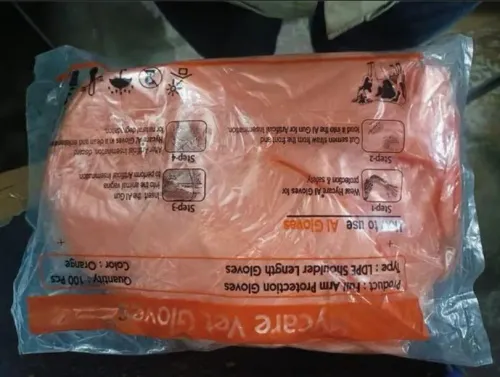
Safety procedures should cover personal protective equipment and ventilation. Cryogenic gloves and appropriate face protection help reduce exposure risks during liquid nitrogen handling. Because nitrogen gas is colourless and odourless, adequate ventilation is particularly important in enclosed storage areas.
Gemini Gases supplies cryogenic solutions to customers in Delhi with requirements ranging from sample preservation to other liquid nitrogen applications. When selecting a liquid nitrogen Cryocan, buyers should discuss sample quantity, nitrogen capacity, expected access frequency, storage duration, and internal organisation.
The most useful container is therefore not necessarily the largest one. It is the vessel whose storage configuration and thermal characteristics fit the way samples will actually be managed.