
A liquid nitrogen dewar is one of the most important pieces of equipment used in laboratories, hospitals, pharmaceutical companies, research facilities, and industrial plants. Since these vessels are responsible for maintaining extremely low temperatures, selecting the right model requires careful evaluation rather than simply comparing capacities.
In Delhi, organizations working with cryogenic materials increasingly look for storage equipment that offers dependable performance, lower evaporation, and long service life.
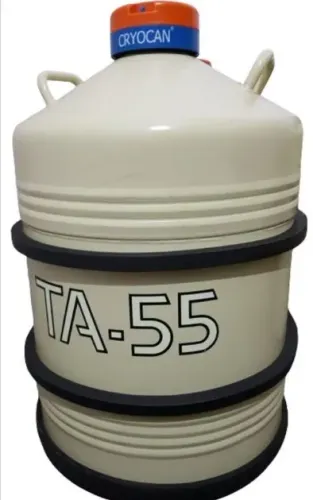
A liquid nitrogen dewar is a vacuum-insulated vessel designed specifically to store and transport liquid nitrogen. The vacuum layer between the inner and outer walls acts as a thermal barrier, helping maintain cryogenic temperatures while reducing nitrogen loss.
This insulation system is what separates a dewar from conventional storage containers.
Before purchasing one, buyers should begin by assessing their operational needs.
Consider the following:
- Daily liquid nitrogen usage
- Number of stored samples
- Frequency of transportation
- Available storage space
- Required holding time
- Future expansion plans
Understanding these requirements prevents overspending on unnecessary capacity while ensuring sufficient storage.
One of the most valuable performance indicators is the static holding time. A longer holding time generally means lower evaporation and fewer refills, leading to reduced operating costs over the lifespan of the equipment.
Construction quality also deserves close attention.
Reliable dewars typically feature:
- High-grade aluminium alloy construction
- Strong vacuum insulation
- Durable neck tube design
- Corrosion-resistant materials
- Lightweight handling
These features improve both safety and longevity.
Another consideration is ease of operation. Practical design elements such as ergonomic handles, stable bases, protective covers, and secure lids simplify everyday use while reducing accidental damage.
Transportation requirements vary between industries. Laboratories may keep the dewar in one location, while field technicians or veterinary professionals often require portable models designed for regular movement.
Safety should never be overlooked. Liquid nitrogen can cause severe cold burns and reduce oxygen concentration in confined spaces. Proper ventilation, protective equipment, and trained personnel are essential whenever filling or handling dewars.
Routine maintenance helps extend equipment life. Users should periodically inspect:
- Neck tube condition
- Lid fit
- Exterior body
- Vacuum performance
- Frost formation
- Liquid nitrogen evaporation rate
Early detection of insulation issues can prevent expensive product loss.
Many organizations also evaluate after-sales support before purchasing. Technical guidance, product availability, and maintenance assistance often become valuable during long-term operation.
Businesses throughout Delhi increasingly choose suppliers capable of recommending storage solutions based on specific industry requirements rather than offering one-size-fits-all products.
Gemini Gases supplies liquid nitrogen dewars suitable for laboratories, hospitals, industrial facilities, educational institutions, and research organizations requiring dependable cryogenic storage equipment.
Investing in the right liquid nitrogen dewar is a long-term decision. By focusing on insulation quality, capacity, durability, safety features, and operational efficiency, businesses can improve storage reliability while reducing maintenance costs and liquid nitrogen consumption over time.