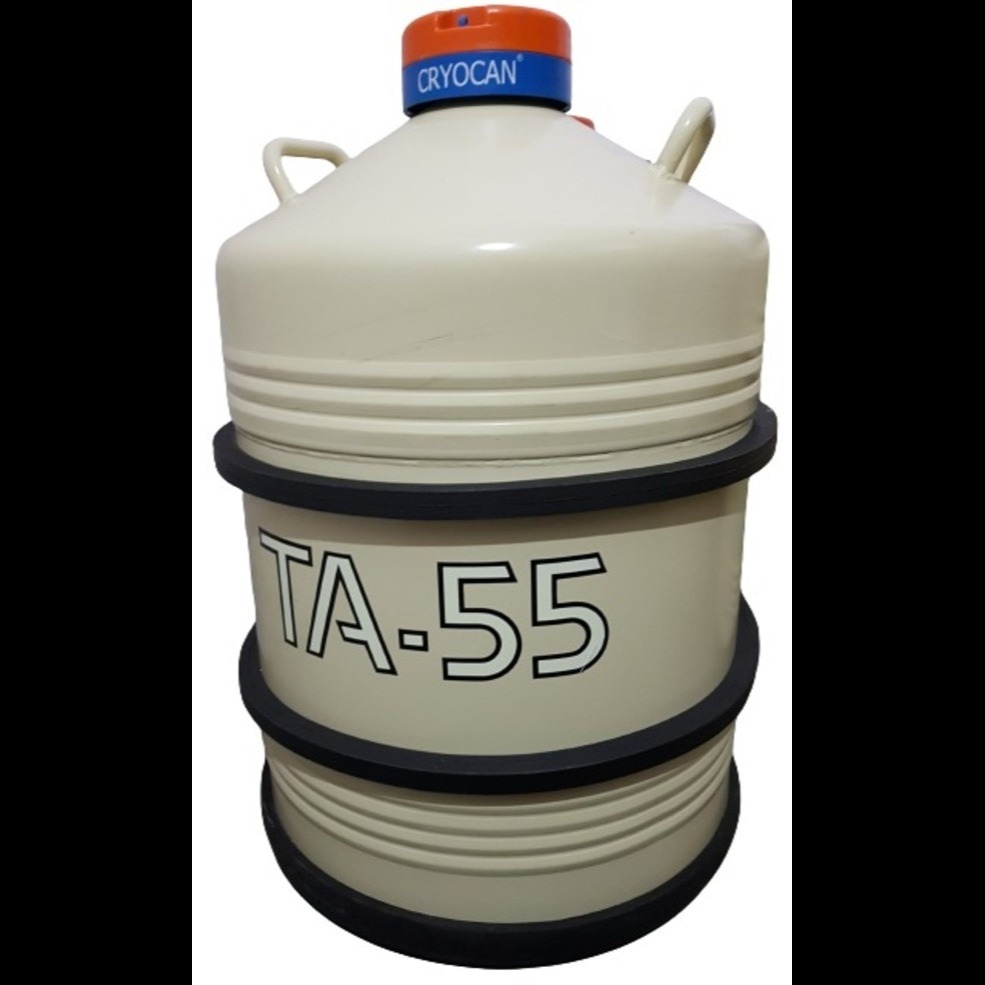
Choosing a liquid nitrogen jar by price or capacity alone can lead to unnecessary refilling, inconvenient sample access, or equipment that simply does not fit the intended workflow. Because buyers sometimes use “jar,” “dewar,” “Cryocan,” and “container” interchangeably, the first step is defining what the vessel actually needs to do.
One frequent mistake is buying more capacity than necessary. Larger vessels can offer greater nitrogen inventory, but they are also heavier and may be harder to handle. Where consumption is low and regular nitrogen supply is available, an oversized vessel may provide limited practical advantage.
The opposite problem is choosing too little capacity. Frequent refilling can interrupt laboratory or operational work and increase the amount of attention required to maintain suitable nitrogen levels.
Another mistake is comparing only the stated holding time. Static holding performance is generally established under defined conditions. Daily use may involve opening the vessel, removing samples, moving the container, and exposure to varying environmental conditions. Actual nitrogen loss can therefore differ.
Other avoidable selection errors include:
- Ignoring neck diameter and access requirements
- Failing to consider the internal canister arrangement
- Choosing a stationary design for frequent movement
- Overlooking filled weight
- Assuming all cryogenic vessels serve identical applications
- Ignoring availability of replacement accessories
- Failing to establish a routine nitrogen-level monitoring process
Handling practices can create problems even after the right equipment has been purchased. Rough movement or physical impact can damage a cryogenic vessel. Users should pay attention to unexpected frosting, visible damage, or unusual increases in nitrogen consumption because these may indicate a condition requiring assessment.
Delhi organisations also need to consider the actual installation environment. Cryogenic vessels should be used and stored where ventilation is adequate. Nitrogen itself is not flammable, but evaporated nitrogen can displace oxygen from an enclosed room, creating an oxygen-deficiency hazard.
For laboratories and sample-storage facilities, organisation inside the vessel is another operational issue. A clearly mapped sample system allows personnel to retrieve the correct material quickly. Repeated searching around the neck can increase exposure of stored material to warmer conditions and contribute to unnecessary nitrogen loss.
Gemini Gases works with Delhi customers requiring cryogenic vessels for laboratory, veterinary, medical, research, and industrial applications. A supplier should ideally understand the intended use before recommending capacity or configuration.
Instead of asking which liquid nitrogen jar is “best,” buyers can get a more useful answer by asking which configuration matches their storage volume, refill schedule, access frequency, mobility requirements, and application. That approach reduces the risk of paying for specifications that offer little practical benefit.