
Proper liquid nitrogen storage is essential for industries that depend on extremely low temperatures to preserve products, biological samples, and research materials. While modern storage equipment is designed for reliability, following the right handling practices helps improve safety, reduce evaporation, and extend equipment life.
Across Delhi, liquid nitrogen is widely used in hospitals, IVF centres, biotechnology laboratories, pharmaceutical companies, universities, food processing facilities, and manufacturing industries. Each of these sectors depends on safe storage methods to protect valuable materials and maintain uninterrupted operations.
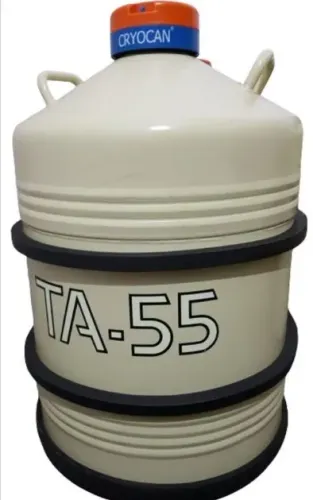
The first step is selecting a storage container designed specifically for liquid nitrogen. Ordinary containers cannot withstand cryogenic temperatures and may become damaged or unsafe.
Quality storage equipment typically includes:
- Double-wall vacuum insulation
- Strong aluminum or stainless steel construction
- Low evaporation design
- Secure lid systems
- Easy handling features
These characteristics help maintain temperature stability over long storage periods.
Location also plays an important role. Containers should always be stored in well-ventilated areas because evaporating nitrogen can reduce oxygen levels in enclosed spaces. Proper ventilation minimizes potential safety risks for employees and laboratory personnel.
Storage areas should also remain:
- Clean
- Dry
- Free from excessive heat
- Protected from direct sunlight
- Away from unnecessary physical movement
Maintaining suitable environmental conditions improves overall storage performance.
Safe handling practices are equally important. Liquid nitrogen is extremely cold and can cause serious frost injuries if handled carelessly.
Personnel should always use:
- Cryogenic gloves
- Face shields
- Safety goggles
- Protective footwear
- Long-sleeved clothing
Proper training ensures employees understand safe filling, transfer, and transportation procedures.
Another common mistake is overfilling containers. Every storage vessel is designed with a specific capacity, and exceeding recommended levels may create operational issues during expansion and evaporation. Following manufacturer guidelines helps prevent unnecessary complications.
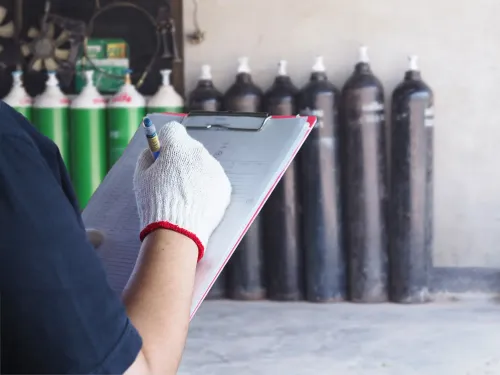
Regular inspections help identify early warning signs before they become costly problems. Users should routinely check for:
- Excessive frost on the exterior
- Physical dents
- Damaged lids
- Neck tube wear
- Faster-than-normal evaporation
If any unusual performance is noticed, the container should be inspected before further use.
Inventory management also contributes to efficient liquid nitrogen storage. Clearly labeling stored materials, maintaining usage records, and scheduling timely refills help reduce waste while improving operational planning.
Organizations handling biological materials should also establish written storage procedures covering sample identification, container maintenance, emergency response, and safety protocols. Standardized practices improve consistency across different teams.
Businesses in Delhi increasingly look for storage solutions that combine durability with low maintenance requirements. Reliable insulation reduces nitrogen consumption while helping preserve sensitive materials under stable conditions.
Gemini Gases supports laboratories, healthcare institutions, research organizations, and industrial users by providing liquid nitrogen storage equipment suited to a variety of applications where consistent performance is essential.
As demand for cryogenic applications continues to increase, adopting proper liquid nitrogen storage practices becomes more valuable than ever. Safe handling, routine maintenance, suitable equipment, and careful planning work together to improve efficiency, reduce operating costs, and ensure dependable storage for critical materials over the long term.