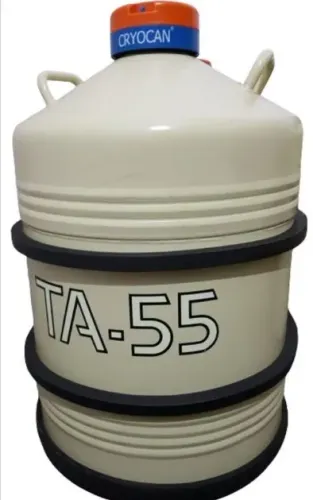

Reliable Liquid Nitrogen Storage depends on choosing equipment that matches the application rather than simply selecting a vessel with sufficient nominal capacity.
Hospitals, laboratories, veterinary centres, universities, research institutions, fertility-related facilities, and industrial operations may all use LN2, but their storage requirements can differ considerably.
Start With Application Compatibility
Before requesting quotations, clearly define the intended application.
A buyer should be able to explain:
- What will be stored
- Approximate LN2 requirement
- Expected storage duration
- Frequency of container access
- Whether biological samples are involved
- Whether the equipment will be transported
These details help narrow the available configurations.
Ask About Capacity and Holding Characteristics
Nominal capacity tells you how much liquid nitrogen a container is designed to accommodate, but it does not provide the complete picture.
Request information about evaporation characteristics and expected static holding performance under specified conditions.
If samples will be accessed frequently, discuss how normal operational use may differ from static specifications.
Check Internal Storage Requirements
For biological applications, buyers may need suitable canisters or other arrangements for organizing samples.
The internal configuration should make identification and retrieval practical without encouraging unnecessarily long opening periods.
This is particularly important for facilities handling multiple sample categories.
Evaluate the Installation Environment
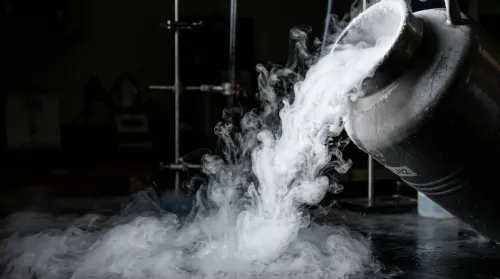
Liquid nitrogen continuously produces nitrogen gas as it evaporates. Adequate ventilation is therefore an essential part of the storage environment.
Facilities should also provide suitable space for keeping containers upright and protected from accidental impact or excessive heat exposure.
Selecting Equipment in Delhi
Delhi organizations often require cryogenic equipment for medical, scientific, veterinary, educational, and industrial applications.
Gemini Gases manufactures liquid nitrogen containers for different storage requirements. Discussing operating conditions directly with the manufacturer can help identify appropriate capacity, configuration, and accessories.
Consider Operational Value
The lowest purchase price does not necessarily represent the lowest long-term operating cost.
Frequent LN2 replenishment, unsuitable capacity, inconvenient handling, or poor workflow compatibility can create recurring operational expenses.
Evaluate equipment based on suitability over its expected working life.
Good Liquid Nitrogen Storage begins with correct equipment selection and continues with disciplined monitoring and handling. Buyers who evaluate application, capacity, evaporation, accessibility, and operating environment together are better positioned to choose equipment that supports dependable cryogenic storage.